

In space, you can print anything.
It is wild that it has been six years since we first got a glimpse of Capcom’s newest IP. That’s right, Pragmata was originally announced in 2020 with a very obscure trailer that at first, I thought was the next game from Hideo Kojima. Over half a decade later the game has finally arrived after multiple delays and I am not sure I could have guessed what kind of game it would turn out to be. After spending time with Pragmata, this is yet another solid outing from Capcom, but it does come with its own set of issues.
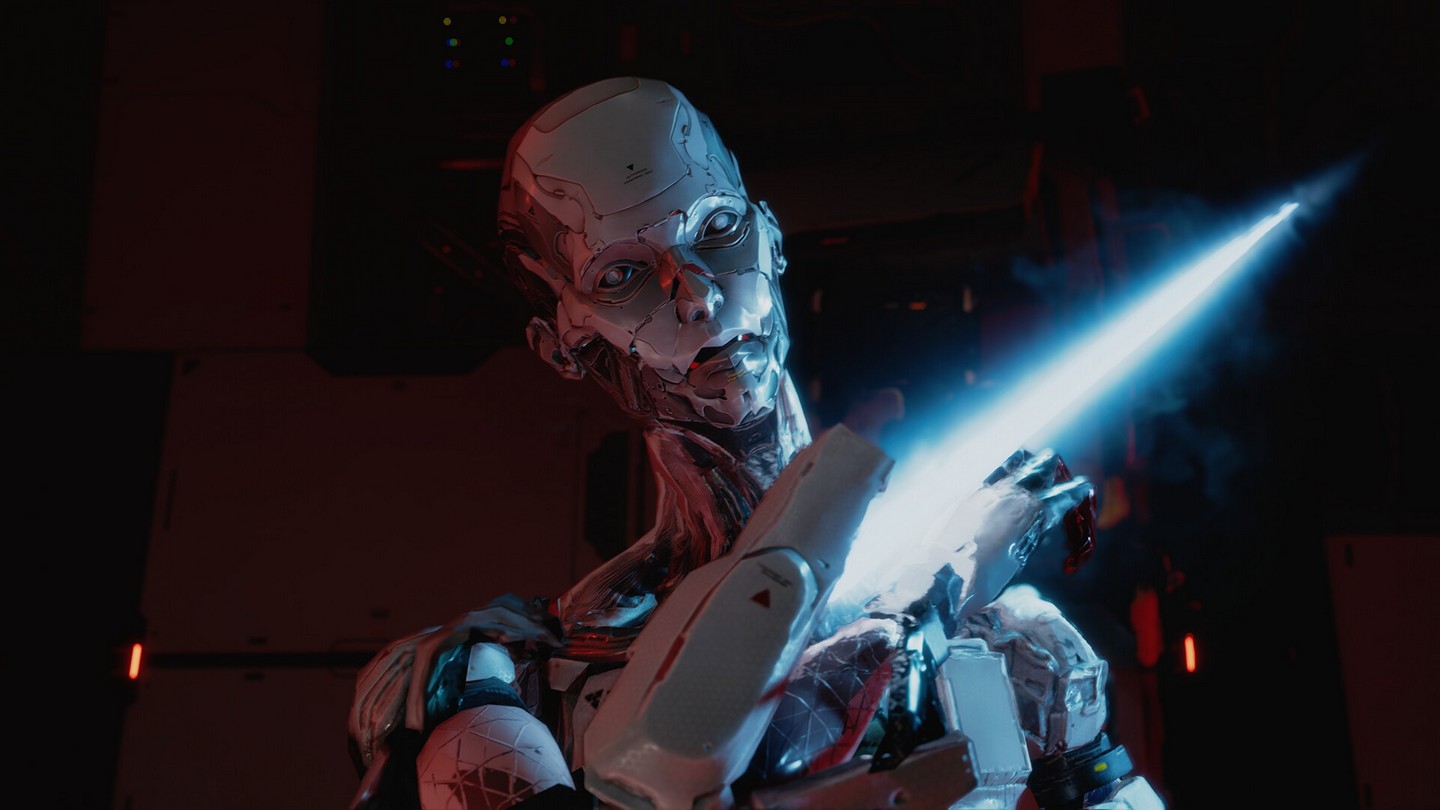
The game kicks off with a team that is investigating a space station controlled by an AI that has the ability to print anything. This place is basically a giant 3D printer that can recreate anything, including biomes and cities. As they start exploring the team quickly gets whittled down to the lone main character and he is quickly introduced to Diana, a child-like robot that is known as a Pragmata.
MSRP: $59.99
Platforms: Xbox (reviewed), PlayStation, Switch, PC
Price I’d Pay: $59.99
The story is well-told if a little poorly paced at times. There is certainly something interesting happening here. Where is everyone? What happened? But as I slowly progressed, I felt like some questions were never answered. It reminds me of titles from the 360 era that are trying to be sci-fi drama while missing the point of the genre. Still there is enough here to keep players moving forward, even if some of the plotlines feel forced and uninteresting.
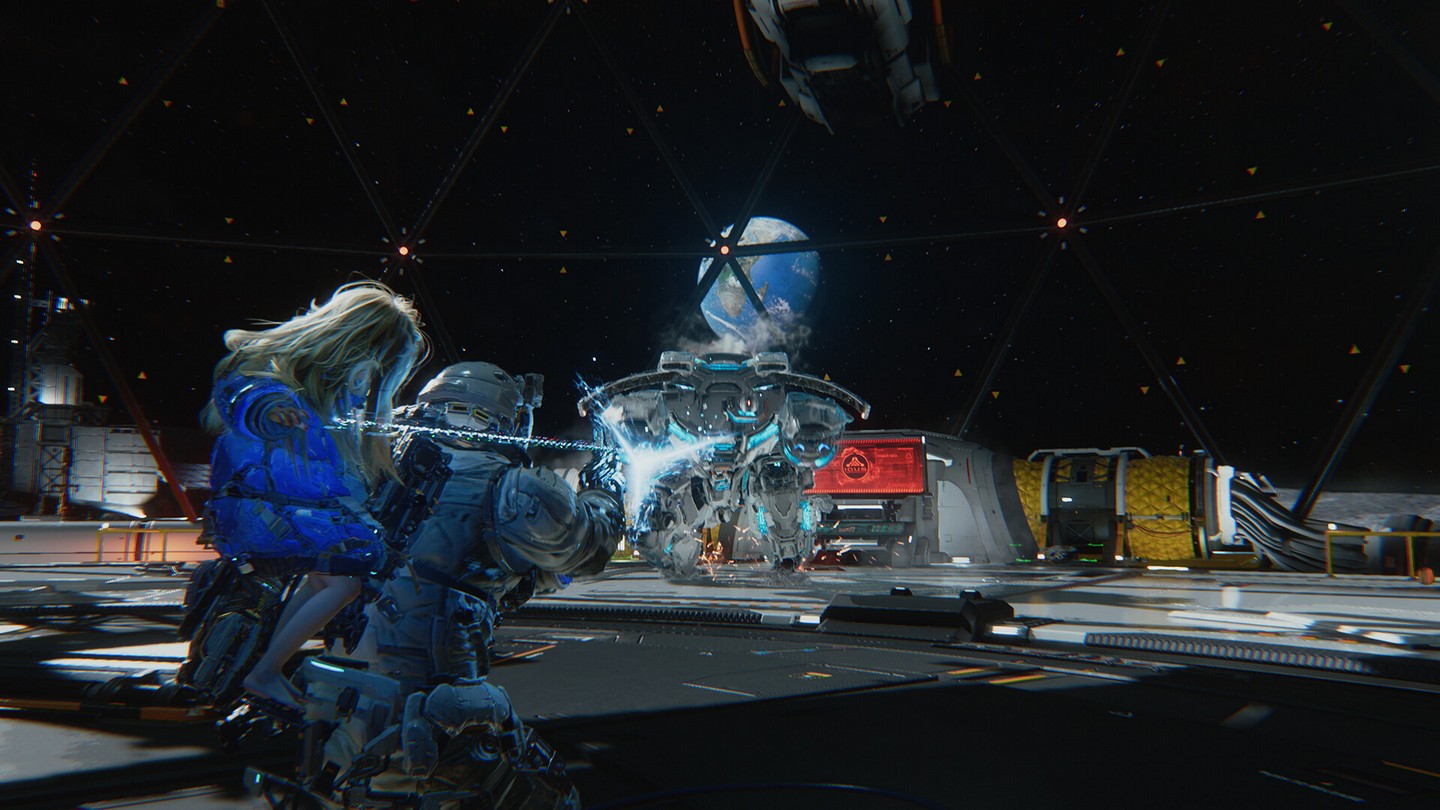
Pragmata’s biggest hook is its combat system. As I mentioned earlier you will quickly run into a Pragmata named Diana that will travel with our main protagonist named Hugh on his back. This is a pretty standard third-person shooter with familiar controls, but the catch is that Diana can hack enemies exposing their weaknesses and doing damage. This mechanic brings up a grid-based menu that requires players to navigate it with the face buttons, each one corresponding to a direction. This grid will contain different power-ups and eventually mods as the game progresses.
This mechanic is neat but can become cumbersome quickly. Some enemies can block specific paths, and early on if you are interrupted by an attack, it resets. This can be remedied with an upgrade, more on that in a minute. I had to train myself on the combat system as it can feel like it should be played briskly but it is more of a methodical dance where I was finding the right opening, studying enemy patterns, and figuring out which foes to remove first.
As I mentioned there are mods and upgrades that Hugh and Diana will get over time. These include new ways to alter enemies with the grid. Things such as critical hits and even being able to confuse them, causing them to attack other enemies. There is a lot here, and it can be overwhelming as more and more upgrades are unlocked. This is more a game where players will find their specific play style, then select mods to match that, as opposed to trying to implement them all.
There are multiple resources throughout the game that can be used to upgrade mods and weapons. These are limited, so again it is best to find what mechanics work best for your play style and focus on those. The game has a hub area where Hugh and Diana can upgrade, take on training missions, and customize the area. This definitely has that Capcom whimsy, and I loved going back to this area to see what was unlocked. Beating bosses unlocks new levels to the hub, allowing for more upgrades and things like an enemy viewer and such. I loved the Earth memories that can be collected that Hugh uses to show Diana what Earth is really like.
Progression feels akin to games like Dark Souls where the hub world acts as a safe haven, and as I progressed I would unlock new travel points back to the hub. Each area also has multiple things to collect, but areas are locked off until Hugh gets a new upgrade to explore that area. So, there are hints of exploration involved. I liked that I could revisit areas easily using the hub’s transit system. They are clearly labeled too when complete. There is an upgrade I recommend as soon as it is available where Diana can scan the environment for collectibles. This is paramount for going back and collecting upgrade materials.
Visually the game has moments of brilliance as well as some stale sections as well. The corridors of the space station are the same bland environments, but then I would enter an area that looks like a giant city, or even a beach setting and the game really shines. There are two modes, as per usual, performance and quality. The performance mode is clean and crisp, and I didn’t notice anything in the quality mode that would make me choose that option. I am sure some tech channels will convince you by zooming in and slowing down to show you that extra shadow, but performance mode is gorgeous.
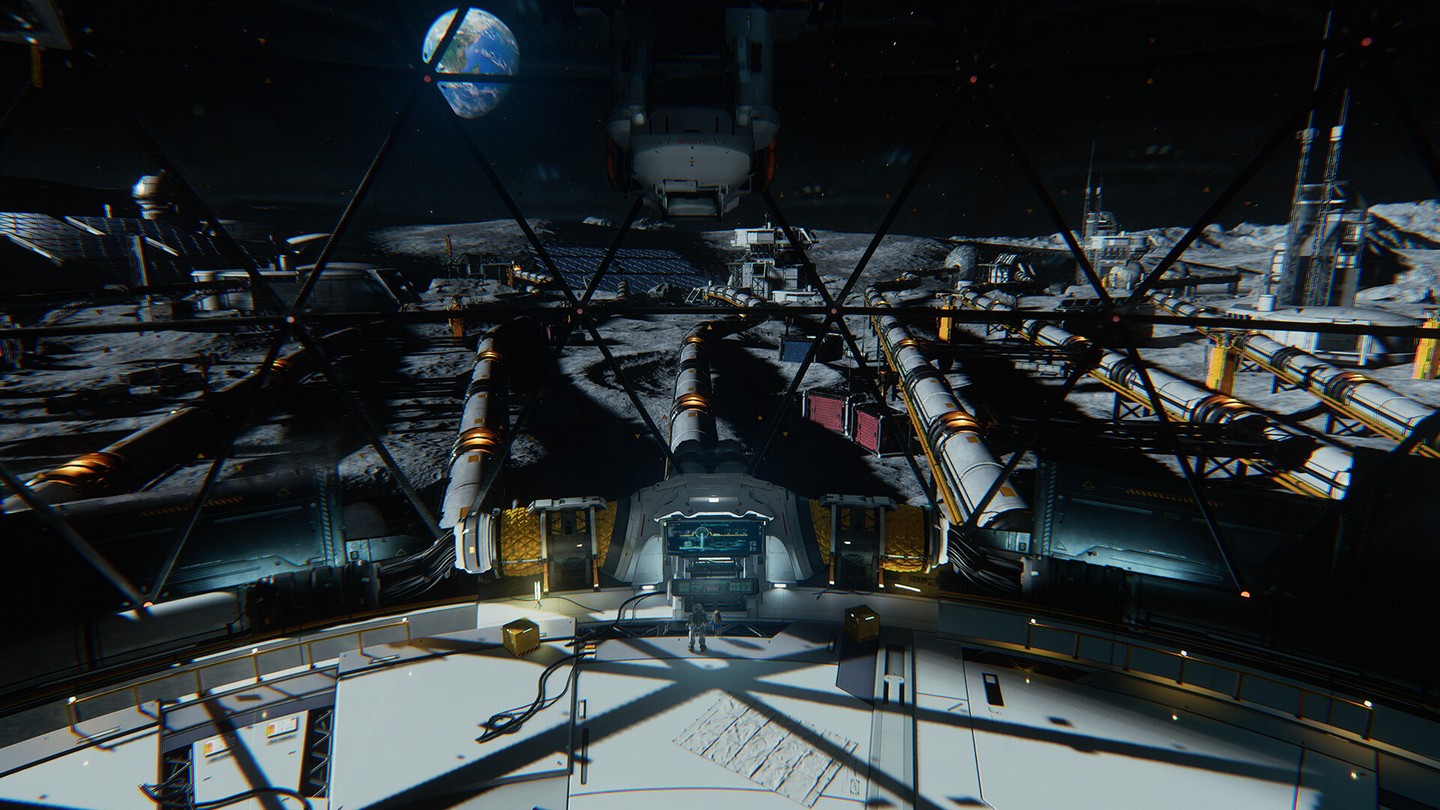
The voice acting is good but also has that 360/PS3 era quality where the dialogue feels awkward at times. Hugh feels like generic protagonist #37, while Diana has a great childlike quality to her innocence that I really enjoyed. The soundtrack is subtle but fits the mood. Overall, the presentation is simple and clean and adds to the clean space motif.
Pragmata is an interesting game that sometimes overcomplicates or oversimplifies its mechanics and setting. I really enjoyed my time with the game, but I’m not sure it will stick with me over time. There were moments where I thought it was outstanding, while other times it was just another space shooter. That is probably its biggest flaw. The pacing of the fun is too uneven and could have benefitted from better pacing. Capcom has promise with this one, and I hope we see another game eventually, just not taking six years to make.
Review copy of game provided by publisher.