

Building a village starts with punching a tree
There is something incredibly satisfying about watching a small camp evolve into a thriving medieval settlement. And that is exactly the type of gameplay that Bellwright offers. Instead of rushing players toward grand battles or flashy rewards, it asks them to put in the work. Chop the trees, mine the ore, recruit the villagers, and slowly build a settlement that becomes destined for more.
MSRP: $29.99
Platforms: Xbox (reviewed), PC
Price I’d Pay: $29.99
Bellwright is absolutely one of those ‘tree puncher’ games as they are affectionately called on ZTGD Podcast. Early on, players will be responsible for every task, from gathering food and crafting tools to constructing your first buildings. It absolutely feels daunting at first but the work load gradually shifts as players recruit villagers. Assigning jobs and watching your settlement become increasingly self-sufficient is where Bellwright truly shines. Villagers harvest resources, craft supplies, and keep production moving while you focus on exploration or expanding your influence. Every new recruit feels valuable, and every new building pushes your settlement another step toward becoming a functioning medieval community.
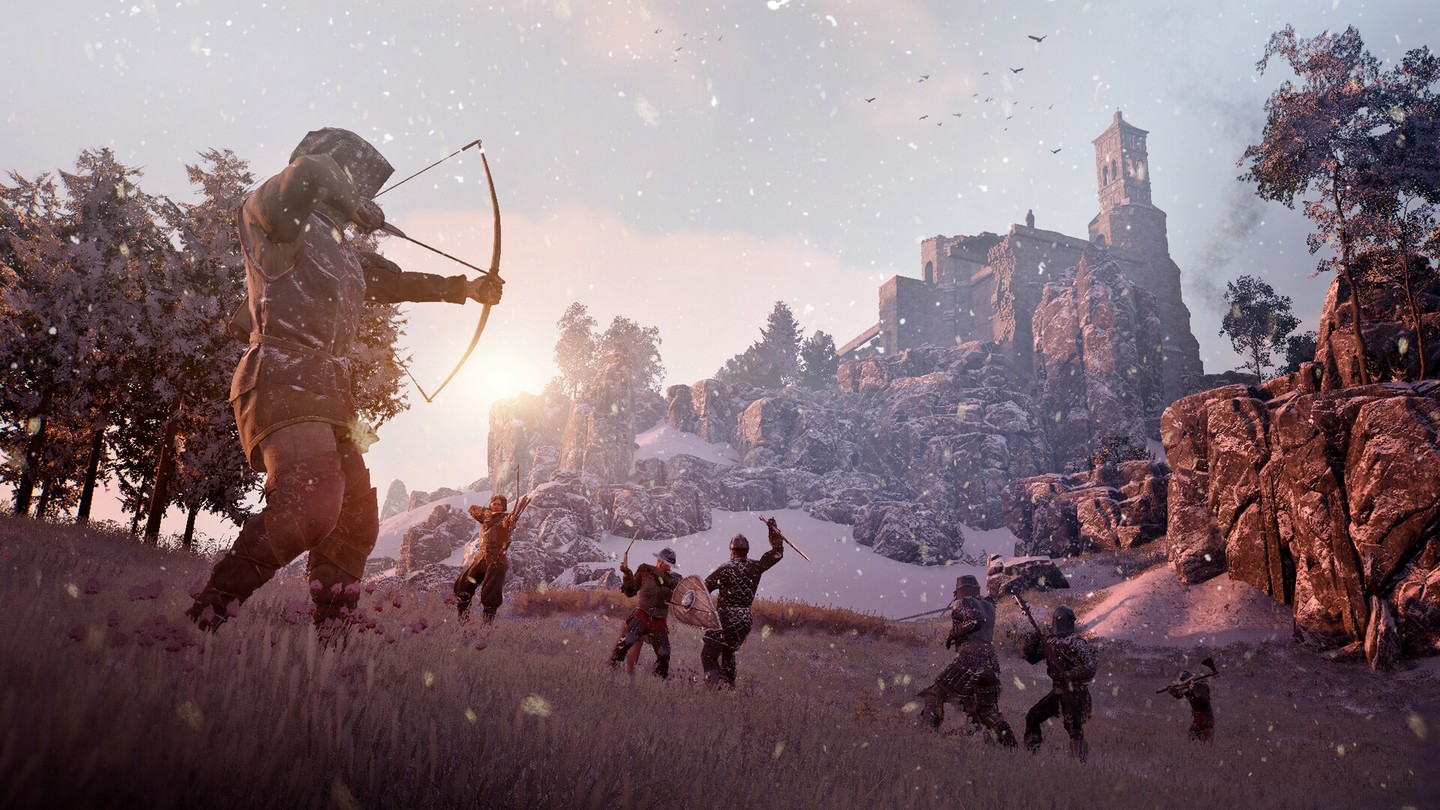
Bellwright’s presentation complements its slower, methodical gameplay. Dense forests, quiet rivers, and expanding villages create a believable medieval atmosphere. There’s a relaxing rhythm to simply walking through your settlement while villagers go about their daily routines. Exploration is another highlight. Every journey outside your village serves a purpose, whether it’s searching for rare materials, discovering new settlements, recruiting skilled workers, or reclaiming territory from hostile forces. The world feels large enough to encourage curiosity without becoming overwhelming. There’s always something interesting to see just beyond, or maybe a wolf that will end up killing you; you just don’t know until you go over there.
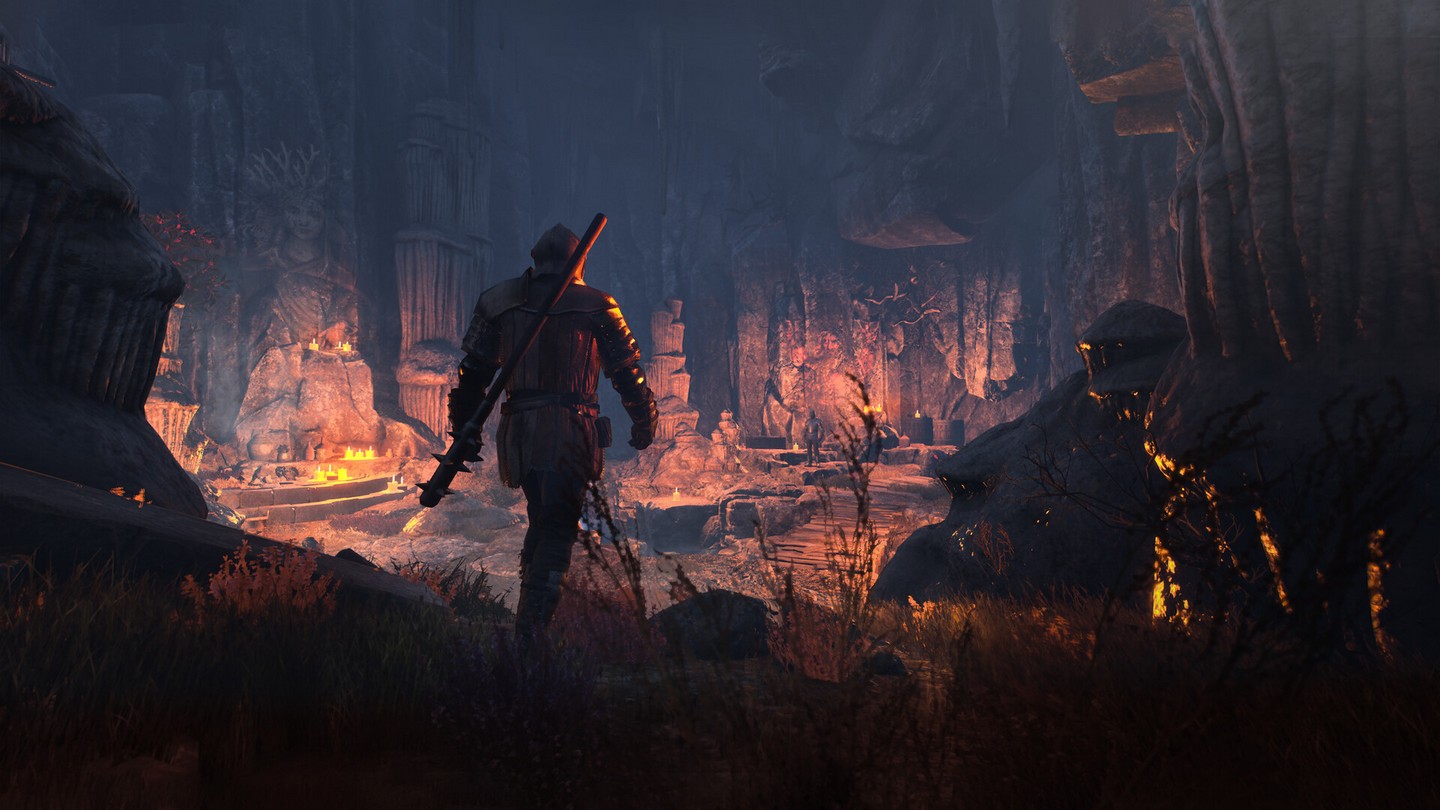
Combat won’t redefine the genre, but it gets the job done. Battles require attention to stamina, positioning, and timing, especially as enemy groups become larger and better equipped. It almost plays like For Honor, where players will have to use the right stick to move their attack angle in order to score a hit on an opponent. There are moments where combat feels a little stiff, and animations don’t always communicate attacks as clearly as they could. Still, victories are rewarding because preparation matters.
Bellwright succeeds because it understands what makes management games so rewarding. Every hour invested pays off in visible, meaningful ways. Your village grows, your influence expands, and challenges that once seemed impossible gradually become manageable thanks to careful planning and steady progression. However, it isn’t without flaws. One of my biggest issues is that the multiplayer portion of the game hasn’t been added to XBOX. One of the main reasons I play these games is to play them with my wife and we are still waiting for the multiplayer patch some two months after release. In addition to that Bellwright could use some polish when it comes to combat and pathfinding of its AI. Even so, those shortcomings are easy to overlook when the core gameplay is as fun as it is.
Review copy of game provided by publisher.