

Tried and true to a fault
Light and darkness unite to take down a prime evil in Diablo IV’s newest expansion, Lord of Hatred. The latest chapter in the Diablo franchise takes us to the birthplace of humanity in the Skovos Isles to stop Mephisto’s crusade as he manipulates the masses while inhabiting the body of the prophet Akarat.
Following the Vessel of Hatred expansion, Lord of Hatred promises to bring in new systems, quality-of-life features, two new classes, more endgame activities, and, of course, an entire new storyline focusing on Mephisto. Can a demon-touched stranger and a disillusioned Horadrim take down a prime evil? Maybe with the help of powerful allies.
MSRP: $39.99
Platforms: PC (reviewed), Xbox, PlayStation
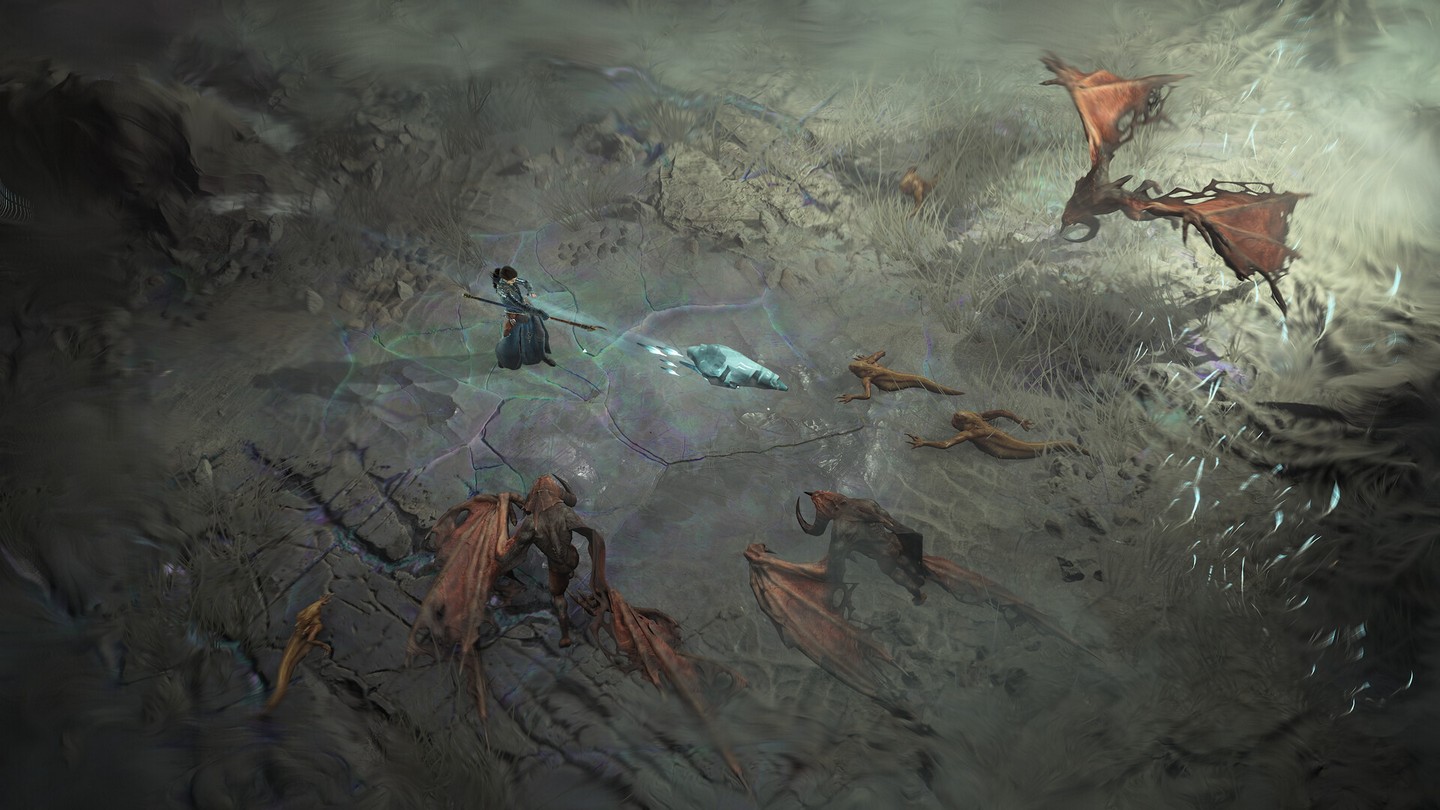
Lord of Hatred brings both the newcomer warlock and old-timer paladin from Diablo II back into the fray, feeling the best they’ve ever felt gameplay-wise. Diablo IV’s warlock focuses on a caster playstyle, summoning spectral versions of demons to perform their attacks for a short amount of time. Most of the class’ eldritch melee options from Diablo II are now gone, with fire and shadow magic becoming an even bigger part of its identity, allowing you to either burn your enemies to a crisp or slowly hex them to death. As part of the game’s meta-narrative across D2R, Eternal, and IV, this version of the warlock blurs the lines set by its predecessor, going even deeper into demonic magic by turning into an archfiend. The warlock class is visually gorgeous while also being quite fun to play, having been perfectly adapted into Diablo IV’s more fast-paced gameplay style without stealing anyone else’s thunder this time.
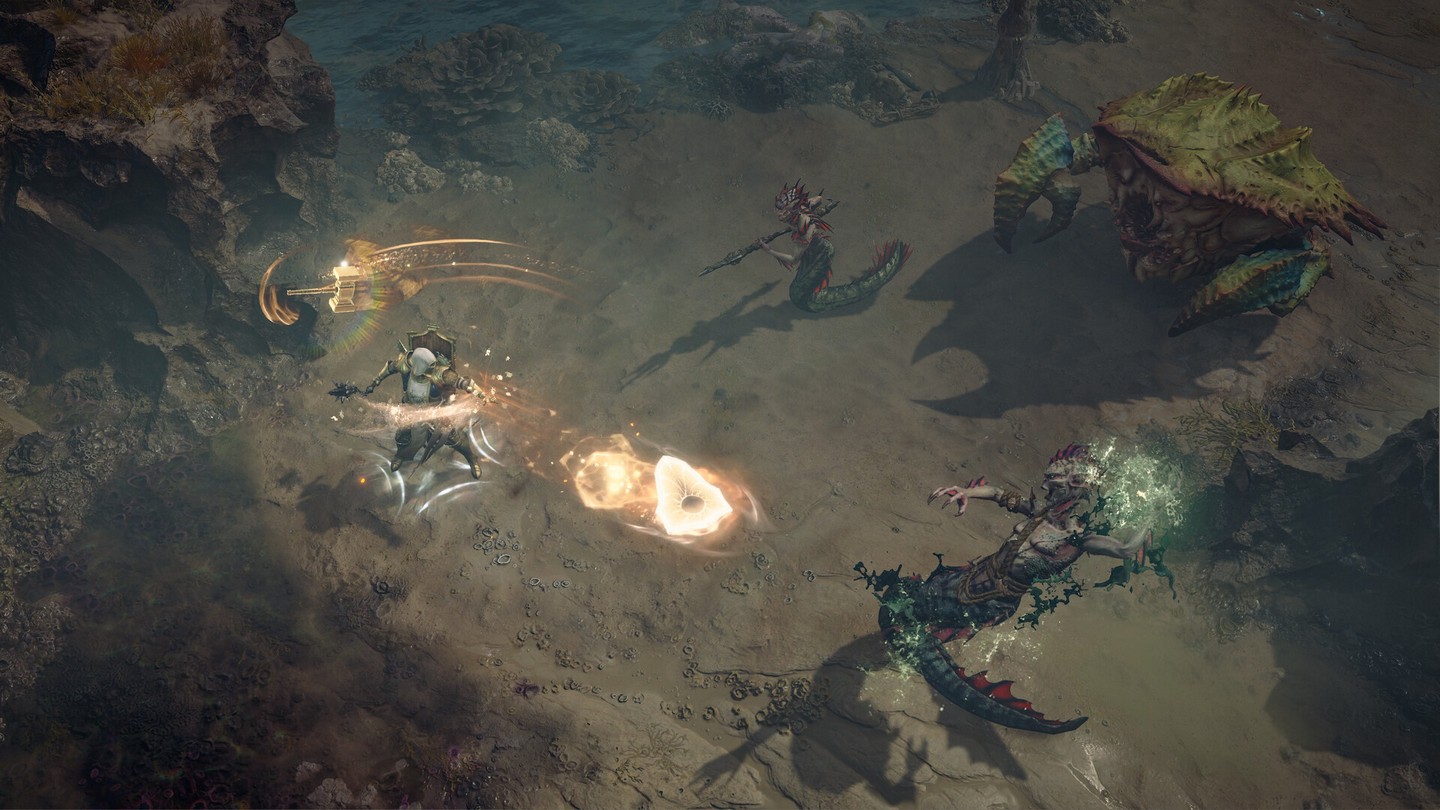
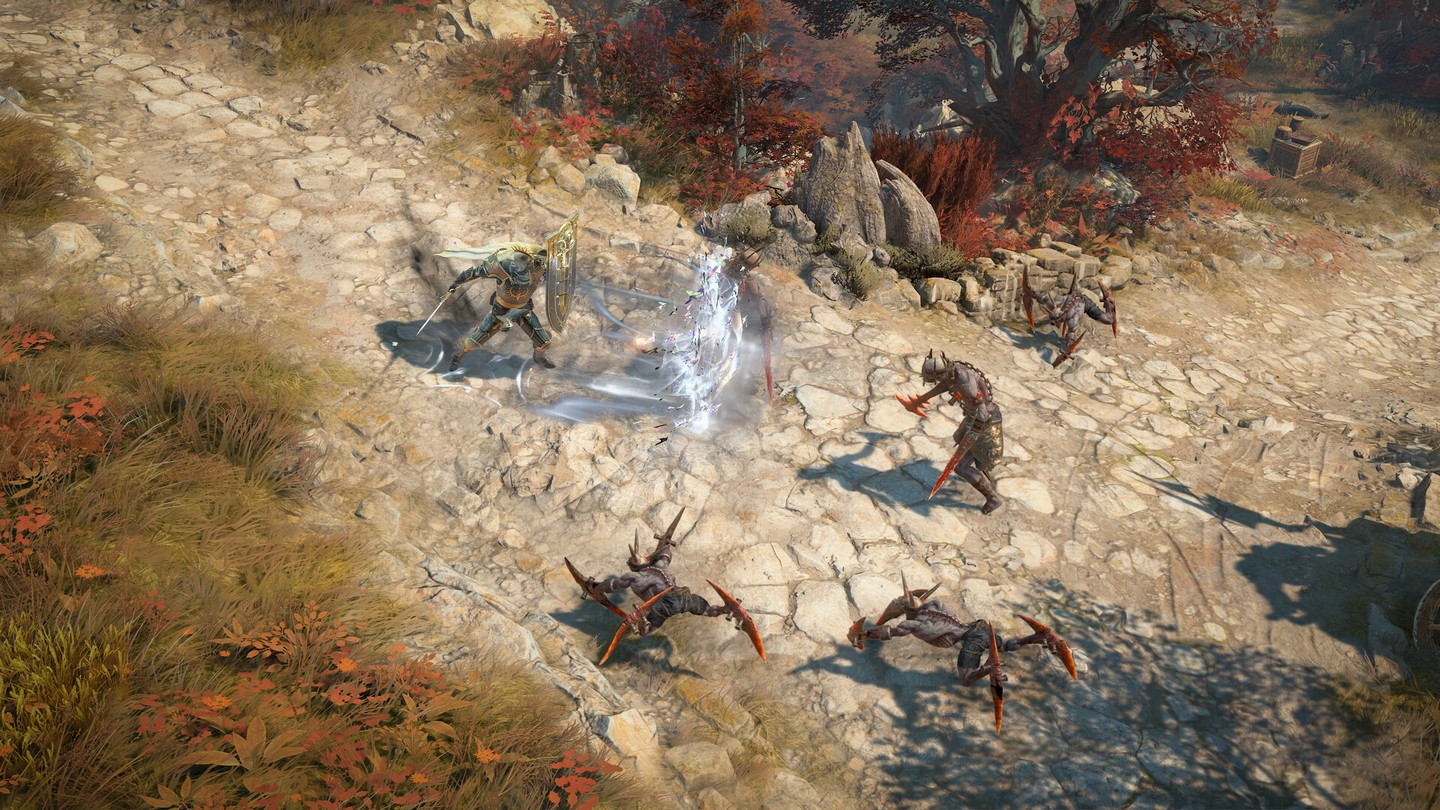
On the non-spooky side of things, the paladin is able to pick between four different oaths, those being the zealot, juggernaut, disciple, and judicator. The zealot and judicator share the damage-dealing role, one focusing on slow but powerful critical strikes, while the other judges enemies with holy magic for big AOE damage. The juggernaut and disciple provide slightly different flavors of tankiness, the first focusing on immunity and armor stacks, while the second one sustains itself through healing, being the most visually striking oath thanks to its arbiter of justice transformation, which mimics the series’ iconic seraphs. Paladin specializations don’t seem easy to design from a gameplay perspective, as there are only so many ways you can represent a faith-based warrior, which is why the line between some of the class’ oaths feels muddled, like the judicator and disciple sharing what is basically the same theme, while the zealot and juggernaut have almost no visual flair, being purely function-oriented and thus not as alluring to pick in the first place. The paladin is strong and kinetic to play as, regardless of what oath you pick, but there’s a good chance most players will resonate with the disciple, as it’s modeled after one of the series’ most important characters while also being quite strong.
Modern ARPG storylines are far from Shakespearean, which makes sense since everyone is here for the loot and addictive gameplay after all, but, without spoiling too much, Lord of Hatred’s commitment to such a predictable story feels quite disappointing, not only because Diablo IV’s base game managed to deliver such a gripping plot while focusing on an original villain, but also because Vessel of Hatred’s entire purpose was to set up this storyline, which happens to be a MacGuffin hunt propped up by nostalgia-infused callbacks. Lord of Hatred’s narrative has already been done countless times before, and although its character writing and shocking moments keep it chugging along, it is hardly worthy of praise when you evaluate it as a whole, relying on fanservice to do the heavy lifting.
After you are done with its story, Lord of Hatred’s true endgame comes in the form of the war plans, a playlist of content that lets you pick and choose between existing activities to be rewarded with extra loot by completing them in specific ways. While the war plans do add a brand new talent tree to each activity, letting you fine-tune your rewards as you clear them, it only serves as a playlist of old content, meaning you are still going to be moving through nightmare dungeons, infernal hordes, and the pit all the same. Making sure old content remains relevant is important, especially in a live service game like Diablo IV, but the war plans feel like a seasonal introduction at best, rather than a major expansion’s core feature.
Lord of Hatred unfortunately fails to excite as a new expansion, featuring barely any new endgame content and a disappointingly safe story. It’s easy to get lost in the game’s system bloat, and the talisman contributes to that as yet another uninteresting grind. Diablo IV’s dopamine-infused gameplay struggles to carry the weight of new systems stacked on top of old content, and it’s disappointing to see basic improvements being passed off as major expansion features. Lord of Hatred’s features are welcome from a quality-of-life perspective, but as an expansion it leaves much to be desired.
Review copy of game provided by publisher.