
Return to your grave
Killing Floor 2 wasn’t perfect, but it knew exactly what it was; grimy, fast, and unapologetically blood-soaked. So, when Killing Floor 3 showed up with Unreal Engine 5 sheen, a fancy new Stronghold hub, and a new class system I raised an eyebrow but was hopeful. Now that I’ve spent dozens of hours blasting, welding, stabbing, and exploding everything Tripwire Interactive threw at me, I can confidently say: Killing Floor 3 is ambitious, gory as hell, and fun in bursts but it forgets what made this series a cult classic in the first place.
Let’s start with the meat. The basic loop remains: you and up to five squadmates drop into a map, survive waves of increasingly aggressive Zeds, upgrade gear between rounds, and pray your final stand doesn’t turn into a group wipe. On paper? Still a winning formula. But now it’s filtered through a new “Stronghold” system which acts as a mission hub where you prep loadouts, build defenses, and choose missions with side objectives. This is a visual representation of something that could be achieved with menus, players will run up to a console only to choose a mission, then have to run to the VTOL to launch it. Cool? Kind of. Necessary? Not really. It often adds busywork before the real fun begins.
MSRP: $39.99
Platforms: Xbox (reviewed), PlayStation, PC
Price I’d Pay: $29.99
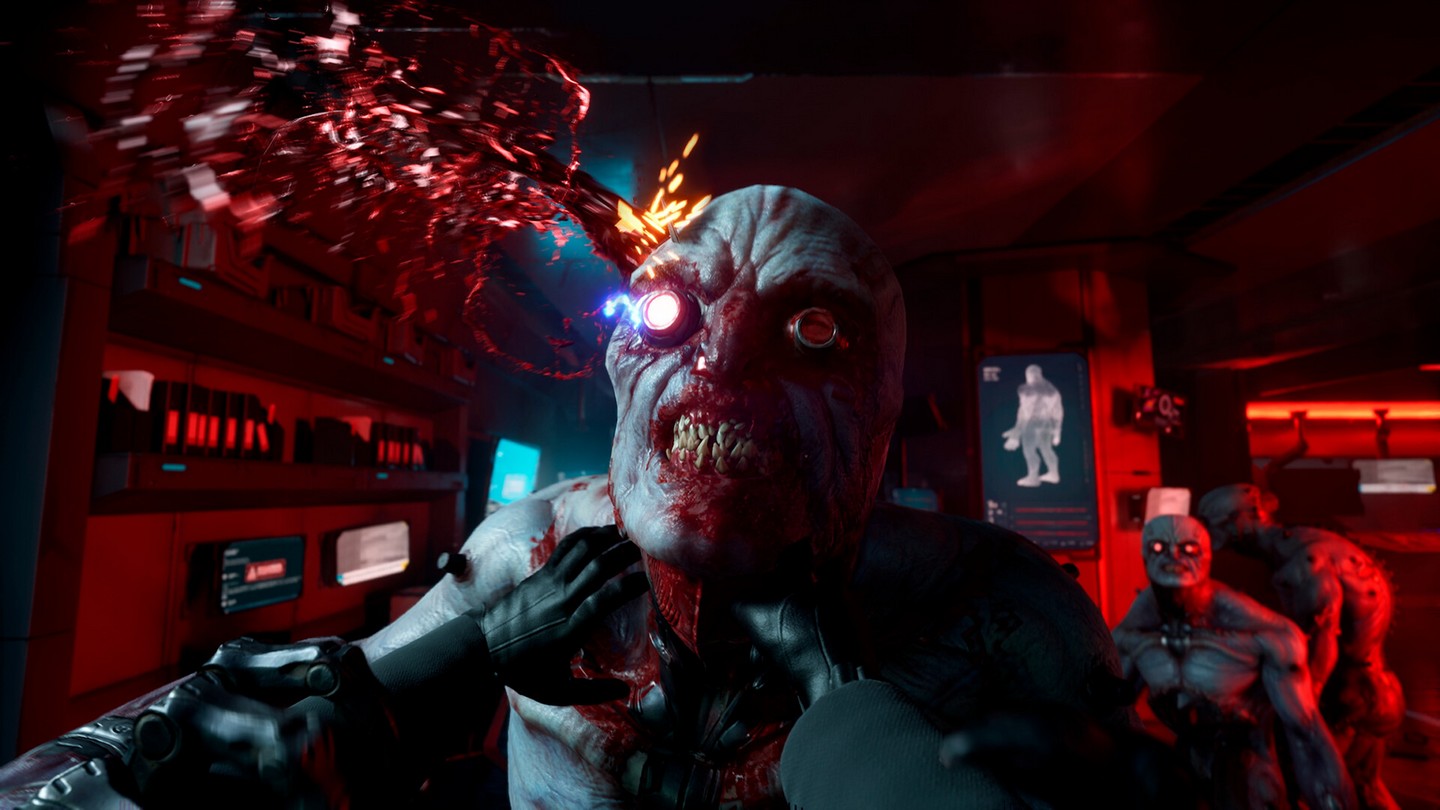
Combat, though? Still crunchy. Triggering Zed Time after killing Zeds is as glorious as ever limbs flying in slow-mo, blood spraying like Tarantino directed it. The new MEAT FX 2.0 system makes dismemberment even more over-the-top, and the added verticality and traversal (zip lines, grappling, vents) make the maps feel less like meat grinders and more like arenas with strategy. When everything clicks tho it really clicks – squad synergy, carnage, traps; it’s chaos at its finest.
Unfortunately, the gunplay is a mixed bag. Some weapons hit hard and feel great, especially shotguns and heavy weapons. Others? Sound like they’re firing compressed air. Animation polish is inconsistent, recoil doesn’t always match output, and a few firearms just feel like placeholders. It’s not bad, but it’s not the hyper-refined chaos you expect in 2025.
Another thing that I felt didn’t land was the whole specialist system. I don’t know why every game has to be a hero shooter type where everyone has different abilities rather than just letting players build their own styles as they go. Gone are the flexible perk trees of KF2. Enter Specialists; locked-in classes like “Ninja,” “Gunslinger,” “Medic,” and so on. Each has unique gear, gadgets, and abilities. On paper, it’s a great idea: you instantly know your role, and it makes team comp matter more. But in practice? It feels weirdly limiting.
If you’re a returning player used to switching playstyles mid-match, get ready for disappointment. Want to bring a shotgun with a stealth class? Too bad. Want to pair your flamethrower with healing grenades? Nope. The system encourages squad synergy but sacrifices the wild flexibility that made Killing Floor’s chaos so replayable. You can level up Specialists, craft weapon mods using biosteel and other resources collected over each match, and even apply cosmetic changes. But it all feels like it’s chasing progression loops rather than embracing the raw fun that made this series a cult favorite.
Let’s talk enemies. The Zeds are back and meaner than ever. The classics return: Scrakes, Fleshpounds and Sirens but they’ve been redesigned with grotesque new detail. They swarm more intelligently, climb, corner, and force players to reposition constantly. A few new elite variants even challenge the usual cheese tactics. Boss fights are a highlight. Each one has mechanics that require actual coordination, not just running in circles and spamming grenades. The gore system is peak Tripwire hyper-detailed, gloriously messy, and never not fun to watch in slow-mo. Still, the game struggles with balance. Some Zed waves feel like pushovers. Others feel like unfair punishment if your squad makeup isn’t ideal. And heaven help you if your teammates quit early.
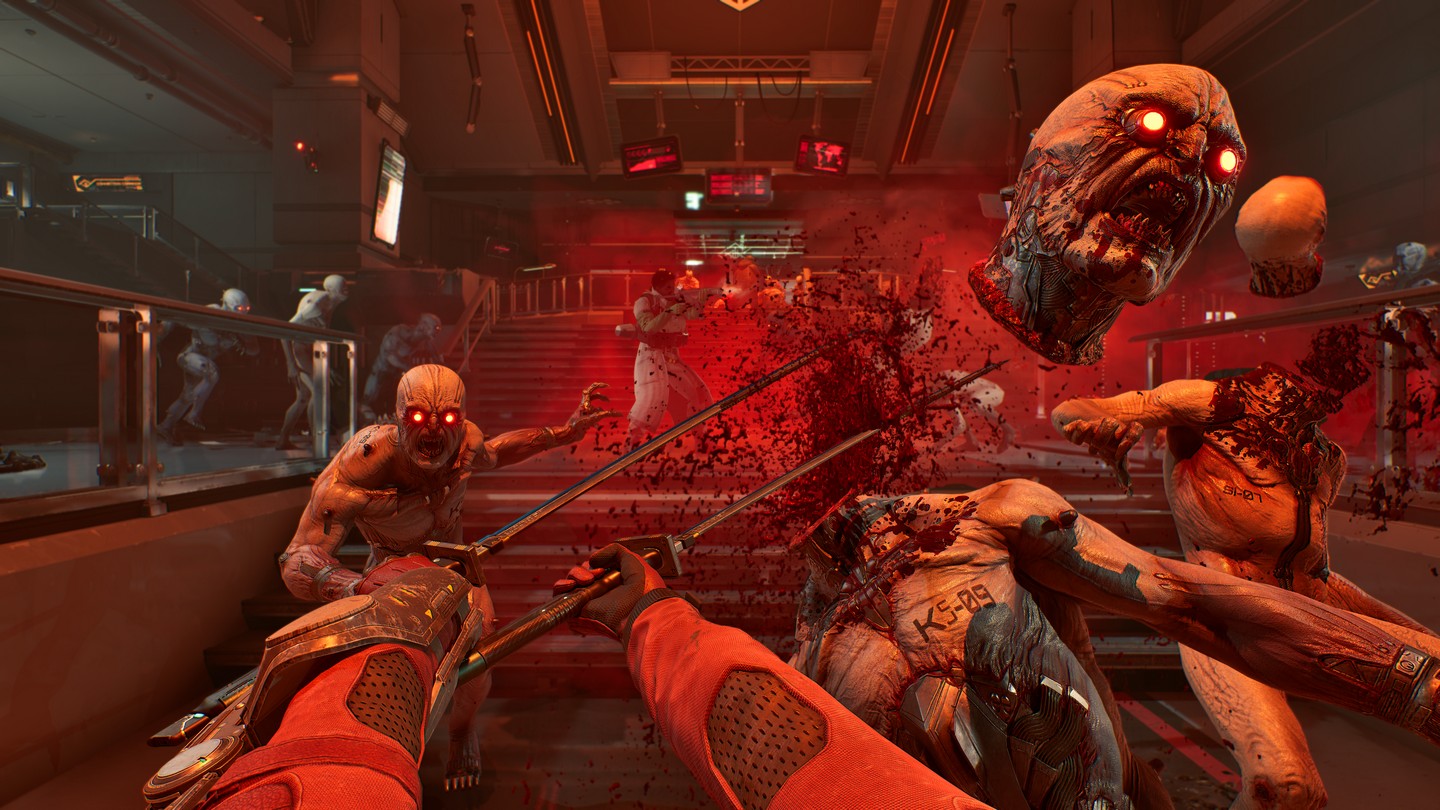
Visually, Killing Floor 3 is sharp. Unreal Engine 5 gives it a sleek, grimy polish. Lighting is moody, blood splatter glistens, and fire effects look fantastic. But that presentation comes at a cost. Performance is uneven. Even on Xbox Series X, I ran into random FPS dips, stuttering, enemy pop-in, and animation desync. Nothing game-breaking, but enough to kill immersion. Load times felt long, texture loads are occasionally late, and Zed corpses sometimes disappear mid-fight. Sound design also needs love. Guns lack audio punch. Explosions don’t always register with the weight they should. And in a game where you’re constantly surrounded by death and gunfire, that lack of sonic impact really hurts the atmosphere.
Killing Floor 3 is a weird one. It looks better. It’s technically deeper. The gore and co-op moments still slap. But it’s also slower, clunkier, and more controlled than the chaos we used to love. There’s clearly a solid foundation here; It’s just layered under systems that feel like they were designed to check boxes instead of fuel carnage. Specialists aren’t bad, but they restrict choice. The Stronghold area before missions add depth, but slows the pace. The combat still hits but feels like it’s stuck between wanting to be modern and fearing it’ll alienate its roots. Tripware supported Killing Floor 2 for a long time so I have no doubt that will be the case here, which is a good thing because this is going to need a few passes to reach its peak.
Review copy of game provided by publisher.