


YOU GOT POKÉMON IN MY VIVA DRAGON CROSSING!
I’ve been open about my love of Pokémon in the non-mainline games before, and I’ve reviewed Dragon Quest Builders 2, and I’ve played all but one Animal Crossing game so this game was kind of made for me and I’m not afraid to say it. It’s great! I’ve played it for a month almost daily. Review over…
Okay so why is it great?
Well I’m going to start with the story. It’s good. I wasn’t expecting a lore heavy experience in Pokopia but it really does have a lot of story. In fact, the writing for the plot is well done but the small nods to past Pokémon games really are so well done that as I uncovered more of the plot I was surprised at what the writers were alluding to but not directly putting to page. Even the writing for the Pokémon themselves is so well done that talking to each Pokémon feels like a unique experience and I think players will find their own favorites among those that come to inhabit their villages.
MSRP: $69.99
Platforms: Switch 2
Price I’d Pay: $69.99
The reason I addressed writing first is because every other aspect of this game is hard to talk about in a vacuum or even within the Pokémon franchise. There’s a reason why people have alluded to this game being Pokémon’s answer to Animal Crossing, but it’s so much more than that and I think Pokopia shows where some of these franchises need to go.
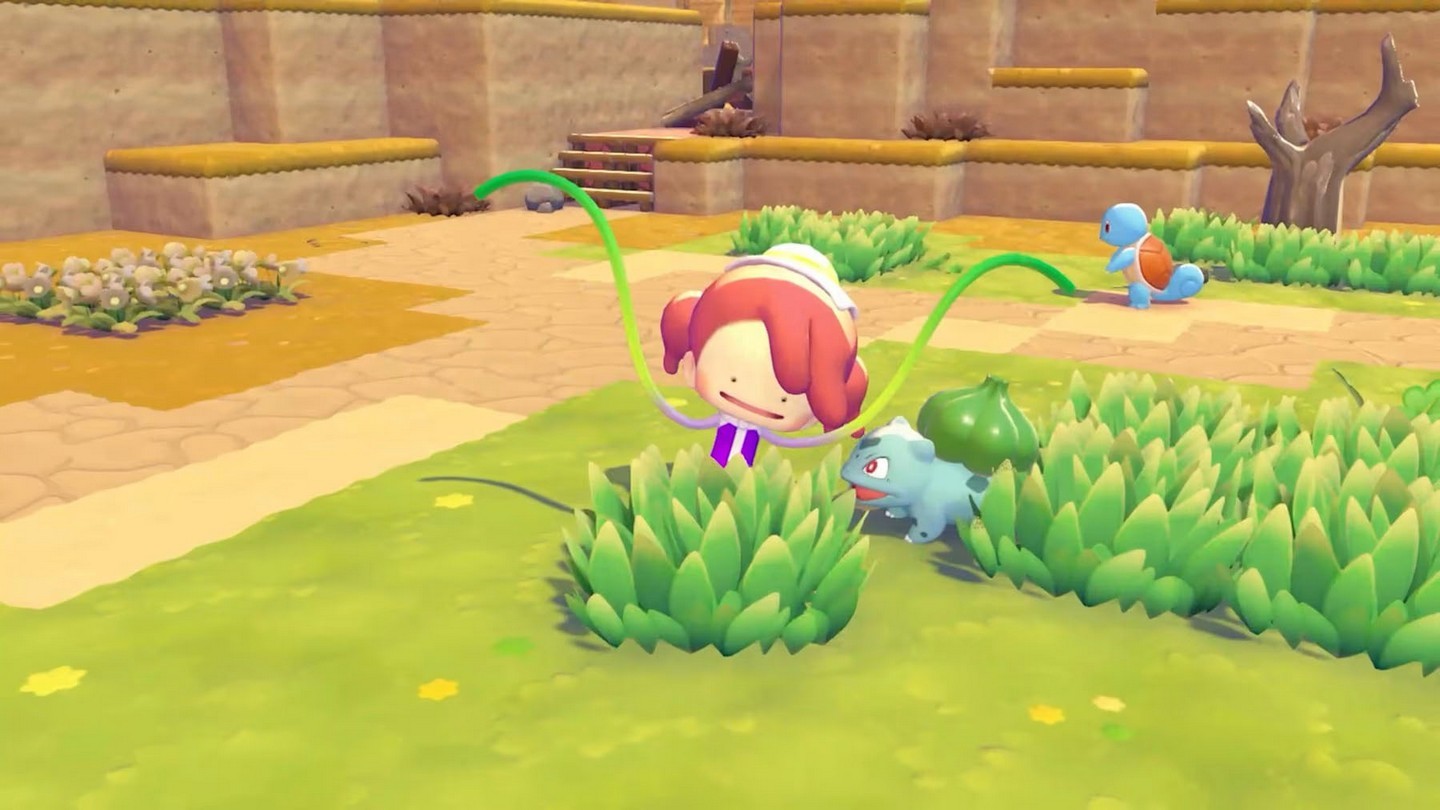
First up is not Animal Crossing, but Viva Piñata; that Rare game you likely forgot about from the Xbox 360 era. It had a TV show. No? Well one reader is likely very excited to hear it mentioned in the year 2026. I didn’t think about it until I was talking to a friend about Pokopia and she mentioned Viva Piñata being very similar in concept and she’s correct. The first aspect outside of the storyline in Pokopia is getting Pokémon to show up and the player does so by building habitats from small patches of grass-to-grass patches near shorelines to far more advanced set ups with multiple items in specific locations. This concept is how Viva Piñata worked with attracting piñatas to the farm. In fact, once Pokémon show up, they have a comfort level that when maxed increases the overall level of the area in a similar way to how piñatas arrive in black and white until all their needs are met and become fully colored. The ways in which these two aspects are achieved are different, but I do think there’s definitely a home for Viva Piñata fans (as few as there may be) to find in Pokopia.
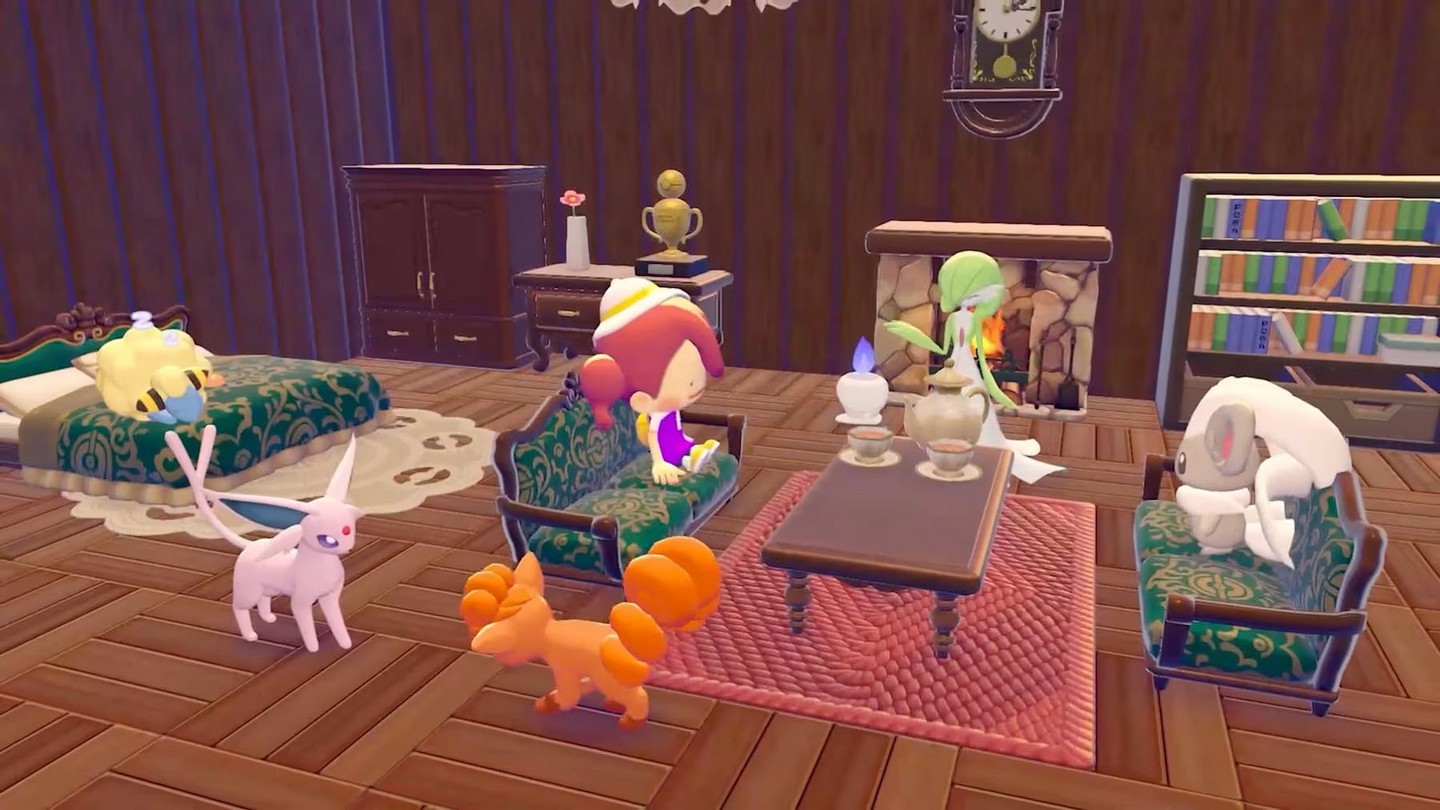
So, what about making those Pokémon happy? Well despite the overall presentation giving Animal Crossing vibes, Pokopia more focuses on the Happy Home Designer elements that have been standalone and DLC in Animal Crossing, but never really connected to the core experience. In Pokopia it is connected as the happiness of the resident Pokémon is directly related to their habitats. Some Pokémon need more humidity, some like different toys, some like to be in the dark, and it’s the job of the player to meet these needs as when more needs are met and the overall level of the area increases, more items and challenges become available to the player. I hate to point this out, but a lot of Animal Crossing is about building your own fun and that a lot of the inhabitants are nothing but hollow husks that you can run an errand or two for and will sometimes show up for events. Pokémon in Pokopia not only have their own likes and dislikes akin to Animal Crossing villagers but they also have their own abilities to help the player. Some can turn clay into bricks while others lead building projects. I feel like I’m actually building a community with these virtual characters rather than just living on an island with neighbors I tolerate (I hate Chadder the mouse so much). I can and have to do most everything in Animal Crossing, but not in Pokopia and they inspire me to do so. I’m invested in Zubat’s happiness because it also increases the level of the environment which then gives me more things I can do.
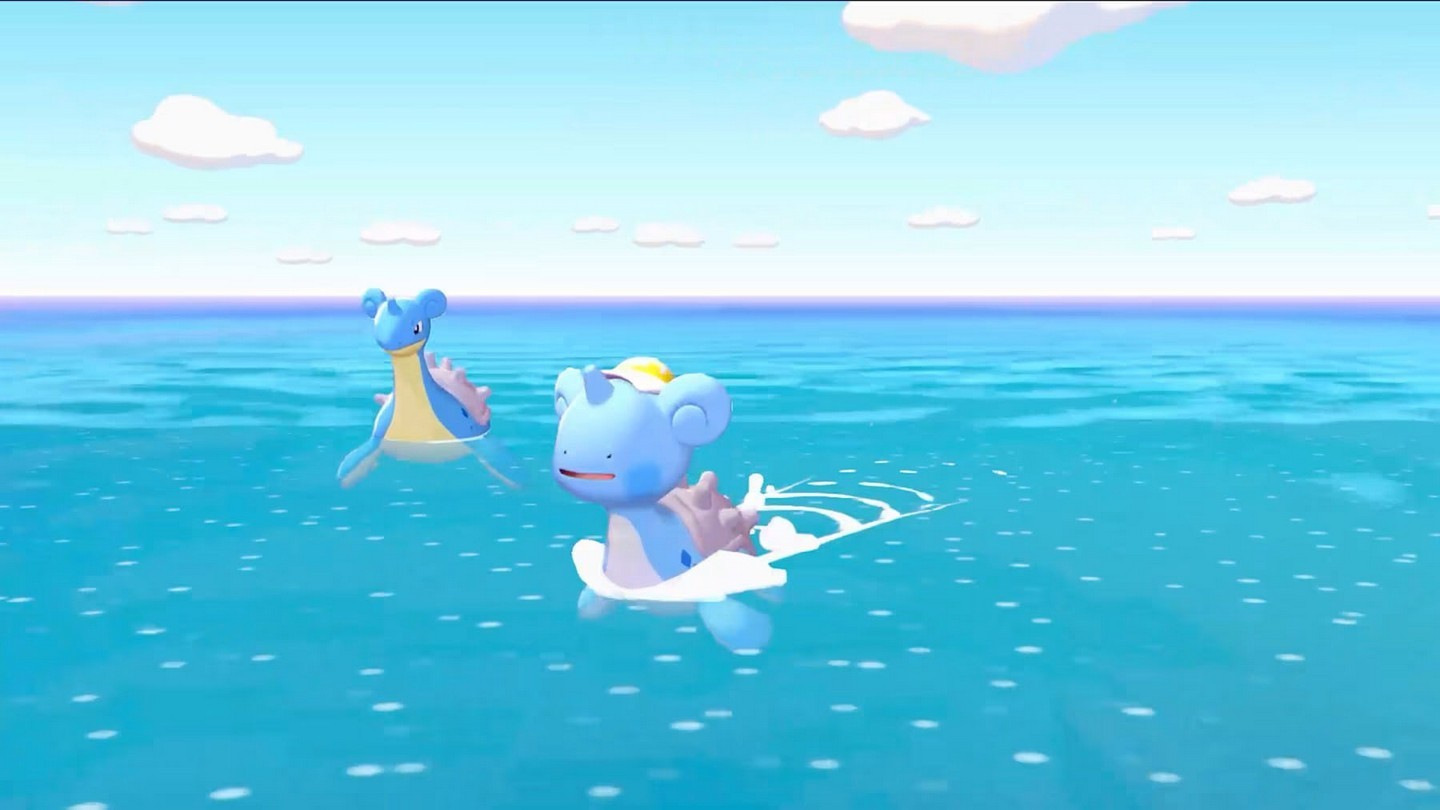
And yes, Pokémon actually have their own abilities to help the player. I won’t spoil them, but Pokopia really makes it clear that no man-shaped Ditto is an island. Community was briefly explored in Dragon Quest Builders 1 & 2 (2 also being made by the same developers as Pokopia, Omega Force), but in Pokopia it’s definitely a main focus. Pokémon even have their own schedules as some Pokémon are nocturnal and will be found sleeping during the day… but alas I need the hands to build a house so it’s time for them to get up and get building.
I will say that my only complaint about this game and all games in general that do this: real time clocks suck. I get that the concept of real time is neat and has its benefits but as an adult who works during the day I see a lot of night in my games. Thankfully Pokopia doesn’t lock me out of anything like Animal Crossing does, but I wish I could turn real time on and off at will so I could see the sun. It also leads to a weird aspect that only happens in Pokopia: because buildings require actual Pokémon to do labor (not a bad concept, certain skills are needed for certain jobs and bigger jobs need more hands) it sort of locks those Pokémon out which is fine, but certain jobs take all day and if I start those jobs late at night and they are also done the next day they are done when the day changes over (I think it’s 5am in game). By arbitrarily setting certain building projects as “done tomorrow” when other jobs are actually time based it sort of ruins the whole point of a real time clock. It’s confusing to explain because it’s confusing to accept, but a decision was made there and I think it’s a bad one… thankfully it’s the only bad decision… sort of.
As for the building aspects… This game is clearly made by the aforementioned Dragon Quest Builders 2 team Omega Force. Most of the construction elements are taken wholesale from their work in DQ Builders 2 and the overall setup of the game is done in sections with one large area for more freeform building that are accessible through travel back and forth. Each section can sort of be handled from scratch too so there is no need to bring all the materials back and forth. Once a habitat is set up players can mark one spot in each area as their own to fast travel to or to return to in case of adventuring going awry and getting stuck. Building can be as big or as small, as basic or intricate as the player wants it to be and is fairly avoidable overall and works not dissimilar to Minecraft where blocks have different strengths when trying to dig it up and works in blocks. The big difference between DQ Builders 2 and Pokopia is a lack of combat in Pokopia, but if Zelda-like combat intrigues players of Pokopia I do recommend the Dragon Quest Builders games wholeheartedly.
For those on Switch 1, I will say that the DQ Builders games are the closest you can get to the experience of Pokopia on Nintendo’s previous platform. Unfortunately they do not go on sale often, but it is far less than what a Switch 2 and Pokopia will cost you. In Canada Pokopia is $99.99 before taxes and while I definitely would not feel bad about my purchase had I paid for the game, it’s a lot of money and people are hurting right now. While the graphics and performance shows how this wouldn’t run well on a Switch 1, with how the game is neither punishing or fast paced the share play mode (extremely limited mind you) between a Switch 2 and a Switch 1 in the same room shows that a Cloud version definitely could work for those on Switch 1 still. I feel bad because this is a game that people want to play but with increasing prices on everything it’s going to be harder and harder to get. I will say that I think it has as much if not more content than Animal Crossing and if you have the means and the money it’s definitely worth it if you’re someone who picked up the Switch for Animal Crossing only as well.
Pokopia is great and it’s going to easily be in my top 10 games of 2026. It’s just a nice experience to see kindness in the face of tragedy which the plot of Pokopia explores. None of the Pokémon fight, they are kind and simply enjoy playing (something that The Pokémon Company has always said in the face of animal abuse allegations but never fully explored in game). I think Pokopia is going to force a lot of games in the cozy genre to reevaluate what they are doing because there’s both freedom and structure for the player and it does an amazing job balancing both. It’s just good vibes.
Review copy of game provided by publisher.